
“What mental health needs are more sunlight, more candor, and more unashamed conversation.” – Glenn Close
PNA Spotlight: Georgios A. Zenonos, MD FAANS
Georgios A. Zenonos is the Neurosurgical Director of the Center for Cranial Base Surgery, Pituitary Center of Excellence, and Center for Cranial Nerve Disorders at the University of Pittsburgh Medical Center Neurological Institute. Dr. Zenonos received his medical degree from the National and Kapodistrian University of Athens School of Medicine.
He undertook post-doctoral research fellowships at Harvard Medical School in 2010 and at the University of Pittsburgh in 2011. He stayed on and completed his seven-year neurological surgery residency training, as well as an enfolded fellowship in endoscopic and open skull base surgery at the University of Pittsburgh School of Medicine. He then went on to complete a fellowship in skull base and cerebrovascular surgery at the University of Miami. Dr. Zenonos was kind enough to answer some questions from the PNA. His answers follow.
Please tell us why you chose to specialize in neurosurgery?
I was always intrigued by our nervous system and the brain in particular; they are sort of what makes us who we are. Even in medical school, one of the things that interested me the most was learning about brain and its functions. The surgical specialties were more appealing to me, because you can make a big difference for a patient. It seemed like we were almost preparing to go to war, where it was you and the patient against the disease. It was more physical, and direct way to help patients. In surgery, there is no hiding. The effects of everything you do are so immediate and direct, so it’s quite more gratifying.
Tell us about your early education:
I grew up in Cyprus. Everyone there must do military service after high school. I completed a 26-month period of military service, where I served as a military officer, and then went straight to medical school at the National and Kapodistrian University of Athens. Medical school in Athens is a six-year program.
I then completed a post-doctoral research fellowship in Boston at Harvard Medical School, and then moved to Pittsburgh for my residency, as well as a skull base fellowship, focusing both on endoscopic approaches and open approaches. I then moved to Miami for one year for an additional fellowship in cerebrovascular and skull base surgery. I moved back to Pittsburgh to join the faculty in 2019.
Read More Here
Why Teamwork Matters in Pituitary Tumor Care
A pituitary tumor diagnosis often raises immediate concerns for patients, but according to Mayo Clinic endocrinologist Dr. Susan Samson and neurosurgeon Dr. Kaisorn Chaichana, one of the biggest advantages patients can have is a coordinated team guiding every step of their care.
For Dr. Samson, that process begins with reassurance. “The vast majority of these are very benign,” she says. “Patients have an impression they have a brain tumor, and that can cause them extreme anxiety.” From there, the team’s focus shifts to answering two essential questions: Is the tumor affecting hormone production? And is it large enough to threaten nearby structures such as the optic nerves?
That evaluation begins with close collaboration between endocrinology and neurosurgery.
“We really work as a team here,” Dr. Chaichana says. “Dr. Samson does a lot of the workup for our patients with pituitary tumors. If she thinks they need surgery, then she sends them to me. Sometimes I get the patient first, but typically we’re hand in hand 99 out of 100 times. That’s a good reason why we work as a team. We usually come to an agreement on the best approach.”
For Dr. Samson, that partnership extends well beyond making a diagnosis. She has helped develop standardized perioperative protocols that bring together endocrinologists, neurosurgeons, intensive care teams, and nursing staff before every pituitary operation. The goal is to reduce complications, minimize unnecessary steroid use, prevent postoperative hyponatremia, and safely manage patients after they return home.
“One of the things that I brought with me was a really protocolized approach to how we think about a patient perioperatively,” she says. “How do we align how we manage these patients?” She notes that careful coordination has helped reduce complications and prevent hospital readmissions while allowing many patients to recover safely outside the hospital.
Treatment decisions themselves are rarely made by one specialty alone.
“It’s not really clear cut all the time,” Dr. Chaichana says. “That’s why we converse a lot about each of these patients, and we often see patients on the same day or in the same room together to go over that plan.” For nonfunctioning tumors, observation may be appropriate unless the tumor is growing or threatening vision. Functional tumors that produce excess hormones often require surgery, while prolactin-producing tumors are frequently treated with medication first.
Mayo’s multidisciplinary philosophy also changes the patient experience. Rather than seeing specialists one after another over multiple appointments, patients often meet with the entire team during a single visit.
“If the patient comes in at 9:30, they’ll see all of us in the same room at the same time,” Dr. Chaichana says. “We expedite care that way.” He adds that patients benefit from “a team approach,” faster decision-making, and having questions answered immediately instead of waiting for separate appointments.
Dr. Samson believes patients should actively seek out that level of expertise.
“I would really recommend they go to a high-volume pituitary center of excellence,” she says. “Find the right doctor and the right team for you.”
Together, their perspectives reflect a simple philosophy: pituitary tumors may involve complex hormonal, neurological and surgical issues, but when experienced specialists work together from the very beginning, patients receive coordinated care designed to improve outcomes, reduce complications and provide confidence throughout treatment.
PNA Medical Corner: Virtual Dissection Environments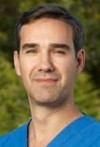
This month the PNA Medical Corner focuses on a study co-authored by Juan Carlos Fernandez-Miranda at Stanford University, a longtime member of the PNA. The study looks at the merits of virtual reality programs that teach the anatomy involved in the endoscopic endonasal approach.
J Neurosurg
. 2026 Jul 31:1-12.
doi: 10.3171/2026.2.JNS252684. Online ahead of print.
Development and evaluation of a virtual dissection environment for anatomical learning in the endoscopic endonasal approach
Tatsuya Uchida 1 2, Yuanzhi Xu 1, Taichi Kin 2 3, Vera Vigo 1, Yuhei Sangatsuda 1, Erik Burgos-Sosa 1, Masaki Ikegami 1, Aaron A Cohen-Gadol 4, Nobuhito Saito 2, Juan Carlos Fernandez-Miranda 1
Affiliations Expand
- PMID: 42537235 DOI: 10.3171/2026.2.JNS252684
Abstract
Objective: A clear 3D understanding of complex skull base structures, including the cavernous sinus (CS), is vital for the endoscopic endonasal approach. However, traditional learning (TL) methods using textbooks and static materials have limits in fostering spatial comprehension. This study developed an interactive virtual dissection (VD) environment based on a virtual endoscopic skull base anatomy 3D computer graphics (VESA-3DCG) model to enhance 3D understanding of the sellar and parasellar regions and evaluated its educational effectiveness against TL methods.
Methods: The VESA-3DCG model was constructed by modifying previously developed high-fidelity 3DCG models, which were designed with reference to the authors’ previous anatomical studies of the sellar and parasellar regions, and integrated into a VD environment. Twenty-eight Japanese neurosurgical residents (postgraduate years 3-7) were randomly assigned to the VD or TL group. Both learning sessions were conducted remotely via a screen-sharing platform, allowing participants to view and interact with the presented materials in real time. A knowledge test covering four domains-bony landmarks, CS anatomy, microvascular anatomy, and neural anatomy-was administered before and after learning. Gain scores, defined as pre- to posttest improvement, were calculated per domain and overall. Group comparisons were performed to assess learning outcomes, and satisfaction and confidence were rated on a 5-point Likert scale.
Results: The final model, consisting of 304 components and about 18.6 million polygons, accurately depicted the microanatomy of the sellar and parasellar regions. The VD environment supported interactive manipulation, including transparency and translucency control, rotation, zooming, virtual drilling, and retraction. Gain score analysis showed that the VD group achieved greater overall improvement in anatomical learning relative to the TL group (p = 0.036), with the most robust difference observed in the CS anatomy domain (p = 0.001). Within-group analysis in the VD group confirmed notable posttest gains in bony landmarks, CS anatomy, and neural anatomy. Participants reported high satisfaction and confidence with the VD environment.
Conclusions: The VD environment based on the VESA-3DCG model offered an effective, interactive platform for anatomical learning. It demonstrated favorable educational effects, particularly for anatomically complex regions such as the CS, and showed feasibility as a complementary tool to TL, including in remote education settings.
Keywords: anatomy; cavernous sinus; endoscopic endonasal approach; neurosurgical education; pituitary surgery; skull base; surgical neuroanatomy; three-dimensional computer graphics; virtual dissection.
Featured News and Updates
News Articles August 2026
Secretary of Defense concerned about low testosterone in the military
Secretary of Defense Pete Hegseth is mandating testing of male troops over age 30 for low testosterone and will offer testosterone replacement therapy. Many endocrinologists say this approach is problematic. Read more: https://arstechnica.com/health/2026/07/hegseth-wants-a-high-t-military-doctors-call-it-a-clinical-minefield/
The Endocrine Society issue statement in the wake of Hegseth’s announcement:
Pituitary story: Lionel Messi
Soccer mega-star Lionel Messi was diagnosed with growth hormone deficiency as a child. Read more: https://www.msn.com/en-in/health/other/lionel-messi-overcame-growth-hormone-deficiency-as-a-child-a-condition-that-almost-derailed-his-football-dream/ar-AA280JJc
Vision issues in acromegaly
PNA member Dr. Maria Fleseriu is featured in an article in EverydayHealth.com about how acromegaly can affect a patient’s eyesight. Read more: https://www.everydayhealth.com/hormones-metabolic-disorders/how-acromegaly-can-affect-your-eyesight/
Delayed diagnosis of Cushing’s in Japanese children
An article in Cushing’s Disease News looks at a study that found Japanese children often face delays in diagnosis of Cushing’s disease, but many are successfully treated with surgery. Read more: https://cushingsdiseasenews.com/news/japanese-children-face-long-delays-cushings-disease-diagnosis/
Pituitary story: Idaho teen battles germinoma near pituitary gland
Delayed puberty and growth, combined with diabetes insipidus, led doctors to diagnose a 16-year-old boy from Idaho with a germ cell tumor near his pituitary gland. Read more: https://www.fredhutch.org/en/news/blog/2026/07/college-bound-16-year-old-didnt-let-germinoma-get-him-down.html
Pituitary surgery story: Transsphenoidal surgery at Walter Reed
A story in the Times of India highlights the work of an Indian American pituitary surgeon at Walter Reed National Military Medical Center in Bethesda, Maryland: Major Jagatkumar “J.” Patel, and his colleague Army neurosurgeon Lt. Col. Charles Miller. Read more: https://timesofindia.indiatimes.com/health/indian-american-army-surgeon-removes-golf-ball-sized-brain-tumour-through-a-patients-nose-avoiding-open-skull-surgery/amp_articleshow/132781973.cms
Experts play down the idea of “male menopause”
An article in the Kansas City Star explains that men do not experience a sharp drop-off in hormones in the same way women do; the process is more gradual. Read more: https://www.kansascity.com/living/article316673842.html
The same reporter looks at testosterone replacement therapy in an article in the Miami Herald: https://www.miamiherald.com/living/article316675898.html
Research Articles
Research Articles August 2026
Pituitary tumors
Ameen D, ElSabban Y, Kalaitzoglou D, Shapey J, Barazi S, Thomas N, Aylwin S, Maratos E.Endocrine. 2026 Aug 1;91(1):243. doi: 10.1007/s12020-026-04712-6.
Kasireddy HD, Sahu V, Sharma A, Kumar A, Shrivastava S.Indian J Ophthalmol. 2026 Aug 1;74(8):1185-1190. doi: 10.4103/IJO.IJO_215_26. Epub 2026 Jul 31.
Case report of two growth hormone-secreting invasive pituitary adenomas and literature review.
Zhou J, Wen J, Leng H, Yi J.Arch Med Sci. 2026 Jun 23;22(3):1926-1931. doi: 10.5114/aoms/224312. eCollection 2026.
Altunyuva O, Balcin N, Ocakoglu G, Taskapilioglu MO, Yilmazlar S.Turk Neurosurg. 2026;36(4):509-516. doi: 10.5137/1019-5149.JTN.49331-25.2.
Reyes JS, Hadjipanayis CG, Bernstein K, Speckter H, Gonzalez I, Chytka T, Liscak R, Bowden GN, Sumi T, Narita K, Kano H, Martínez-Moreno N, Martínez-Álvarez R, Picozzi P, Franzini A, Tripathi M, Rai A, Kumar N, Douri K, Mathieu D, Dono A, Amezquita-Contreras C, Blanco AI, Esquenazi Y, Tos SM, Mantziaris G, Peker S, Samanci Y, Duzkalir AH, Meng Y, Sheehan JP, Kondziolka D, Lunsford LD, Niranjan A.J Neurooncol. 2026 Jul 31;179(1):22. doi: 10.1007/s11060-026-05736-8.
Editor’s note: Dr. Sheehan is a member of the PNA.
Cushing’s
Annexin A1 as a diagnostic biomarker for cyclic Cushing disease.
Rao Z, Wu L, Jiang L, Su T, Cao Y, Lin S, He X, Ye Y, Ning G, Wang W, Zhang C.iScience. 2026 Jul 22;29(8):116907. doi: 10.1016/j.isci.2026.116907. eCollection 2026 Aug 21.
Constanthin PE, Ferrière A, Sanchez-Gallardo F, Nunes ML, Berge J, Engelhardt J.J Neurosurg. 2026 Jul 31:1-9. doi: 10.3171/2026.2.JNS252331. Online ahead of print.
Detomas M, Prada Salcedo JP, Altieri B, Stüfchen I, Nasi-Kordhishti I, Wolfsberger S, Losa M, Quinkler M, Kimpel O, Vila G, Honegger JB, Rubinstein G, Fassnacht M, Deutschbein T.Eur J Endocrinol. 2026 Jul 31:lvag141. doi: 10.1093/ejendo/lvag141. Online ahead of print.
Acromegaly
Genc B, Polat SB, Koc A, Ersoy R.Pituitary. 2026 Jul 31;29(4):136. doi: 10.1007/s11102-026-01737-y.
Hormonal health
Holz EA, Imran M, Reyes N, Izquierdo-Pretel G.Cureus. 2026 Jun 30;18(6):e111830. doi: 10.7759/cureus.111830. eCollection 2026 Jun.
Alnahar S, Senjab A, Gharib S, Gharib Z, Hadid L.Clin Case Rep. 2026 Jul 29;14(8):e73261. doi: 10.1002/ccr3.73261. eCollection 2026 Aug.
A Novel LHX3 Variant Associated With Combined Pituitary Hormone Deficiency in an Indian Kindred.
Palaniappan S, Sridhar S, Thasarathan S, Shanmugam D, Dutta P.Cureus. 2026 Jun 29;18(6):e111778. doi: 10.7759/cureus.111778. eCollection 2026 Jun.
Count on your Xeris CareConnection™ Team for unparalleled Cushing’s Support
Cushing’s can be challenging, but there is support so patients can feel like themselves again. The main goal of treating Cushing’s is to get cortisol levels back to normal. This Pituitary Awareness Month, Xeris Pharmaceuticals® is highlighting the importance of one-on-one support for patients living with Cushing’s Syndrome and support for HCPs treating Cushing’s Syndrome.
Sign up to get dedicated support:
Patients: Sign up for support | Recorlev® (levoketoconazole)
HCP’s: Connect with Xeris support | RECORLEV® (levoketoconazole)
Have more questions? Call for more support at 1-844-444-RCLV (7258)
Copyright © 2024 Pituitary Network Association All rights reserved.
Disclaimer: PNA does not engage in the practice of medicine. It is not a medical authority, nor does it claim to have medical expertise. In all cases, PNA recommends that you consult your own physician regarding any course of treatment or medication.
Our mailing address is:
Pituitary Network Association
P.O. Box 1958
Thousand Oaks, CA 91358
(805) 499-9973 Phone - (805) 480-0633 Fax
Email [email protected]
You are receiving this Newsletter because you have shown interest in receiving information about our activities.
If you do not want to receive any more emails from PNA, Unsubscribe.