









Nominate for Gentle Giant Award!
Do you have a pituitary HCP who has made a profound difference in your care or your life? A real “Gentle Giant”. We want to hear about them! Help us recognize the amazing professionals who go above and beyond by nominating your favorite doctor. Your story can help shine a light on the heroes in our community and inspire others on their journey. Submit your nomination today—we can’t wait to celebrate them with you!
Don’t Miss Our Exciting Upcoming Events!
Discover Leading Professionals and Specialized Services in Healthcare
Search
Recent Webinar
Patient’s Corner
Introducing Patient’s Corner, a place for you, the patient, to share your stories. If you have a story you would like to share please contact us below.
Patient story:
Panhypopit patient in a bind as Humatrope is discontinued
Tara Cummins, a pituitary patient in Klamath Falls, Oregon, says she’s at her wits’ end because the medication she depends on, Humatrope, is being discontinued by pharmaceutical giant Eli Lilly. Humatrope is Lilly’s version of somatropin, used to keep people like Cummins alive. Cummins suffers from panhypopituitarism, which developed after pituitary failure soon after a hysterectomy done in 1992 to counter painful recurring ovarian cysts. She also experienced pituitary failure.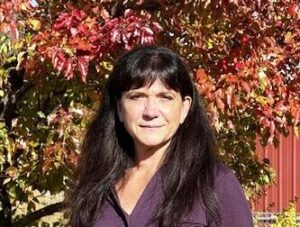
Cummins has no health insurance because she makes too much to qualify for Medicaid and cannot afford to buy insurance on the individual market. In addition, when she had insurance, it didn’t cover the medication she needed. She sued the insurance company, saying, “Policies are allowed to be changed and modified to under-cover conditions or medications or exclude treatment for certain conditions. Early on after my settlement with the insurance company (where I still maintained my policy) they changed the terms of the policy, leaving me with a choice of having insurance but not coverage (or adequate coverage) for the somatropin which left me with out-of-pocket expenses that almost no one would be able to afford. With no insurance, I could qualify for patient assistance directly through the manufacturer. The term used was being under insured; as if I had any option to be more insured.”
So, Cummins has been paying for doctor visits on her own and she relies on Eli Lilly’s patient assistance program for free access to her medication: 1 mg each night. At age 63, it’ll be a little more than a year before the retiree qualifies for Medicare. In the past, she took Pfizer’s version of the medication, Genatropin, but Pfizer discontinued its patient assistance program two years ago, and the medication costs between $5,800 and $16,000 a month if you don’t have insurance.
Cummins says she hopes to get one more shipment from Eli Lilly, which would last her about four months. She says she’s been told that her life expectancy without the medication is about two years.
Complicating matters, Novo Nordisk’s Norditropin Flexpro subcutaneous solution for injection, is on shortage as of September. On ashp.com, the shortage is attributed “to increased demand and manufacturing delays.” The site notes that Ferring has Zomacton available; that Genentech discontinued Nutropin AQ Nuspin presentations in December 2024; that Pfizer has Genotropin available (but discontinued the patient assistance program); and that Sandoz has Omnitrope available.
In addition, Cummins had her thyroid removed and relies on natural thyroid medication. However, the FDA announced in August that it wants animal-derived thyroid medications off the market because they are not FDA approved and “contain many compounds that are uncharacterized for safety and effectiveness.” The FDA estimates that “1.5 million patients received prescriptions for these medications from U.S. outpatient retail pharmacies in 2024.”
PNA Spotlight: Dr. Nelson Oyesiku
This month the PNA Spotlight focuses on Dr. Nelson Oyesiku, systems neuroscience chief of Piedmont Healthcare in Atlanta, Georgia. He was formerly professor and chair of the Department of Neurological Surgery and professor of medicine (endocrinology) at the University of North Carolina, Chapel Hill. He earned his Bachelor of Medicine and Bachelor of Surgery at the University of Ibadan in Nigeria. He completed an MsC at the University of London and earned his PhD from Emory University, where he spent 35 years on staff. Dr. Oyesiku was kind enough to answer questions from the PNA. His answers follow.
Please tell us the main focus of your practice
I’ve been primarily a pituitary surgeon for more than 30 years, so my main interest is in neuroendocrinology; including surgery and medical conditions of the pituitary gland.
Tell us about your professional journey
I spent 35 years at Emory University. I left there in 2021 to take a position as chair of neurosurgery at University of North Carolina in Chapel Hill. Then in April of this year, I joined Piedmont Healthcare Systems in Atlanta, Georgia, as a systems neuroscience chief.
What should people know about Piedmont’s approach?
I am now head of the neurosciences service line for all of Piedmont Healthcare, which includes oversight over neurosurgery, neurology, and psychiatry across all the Piedmont entities across the state of Georgia, which includes the hospitals, the clinics, and the practices of the providers in the neurosciences service line. That includes the pituitary and skull-based neuroendocrine lines as well. I’m also a practicing neurosurgeon.
What are your goals in this new position?
My goals are to develop, expand, and improve our neurosciences service line in terms of what we do in clinical delivery of care, quality, safety, and advancement of the field delivering patient-centered care.
What led you to choose this field?
When I first decided to go into medicine, I was influenced by a medical drama series that was on around that time called Ben Casey. It was a medical drama series whose protagonist was a resident in neurosurgery at San Francisco General. The series charted his course of training and was very popular at the time. It was one of the earliest medical drama series, long before Doogie Howser, Dr. Kildare, St. Elsewhere, or Grey’s Anatomy.
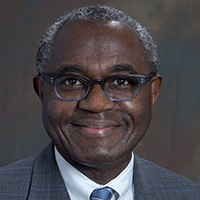
“My goals are to develop, expand, and improve our neurosciences service line in terms of what we do in clinical delivery of care, quality, safety, and advancement of the field delivering patient-centered care.”
PNA Gratefully Acknowleges Our Supporters




Get Involved
If you wish to donate, contact:
- P.O. Box 1958, Thousand Oaks, CA 91358
- Office: 805.499.9973
- Fax: 805.480.0633
- Email: [email protected]

Coming Events

Volunteer With Us
Pituitary Patient Toolkit
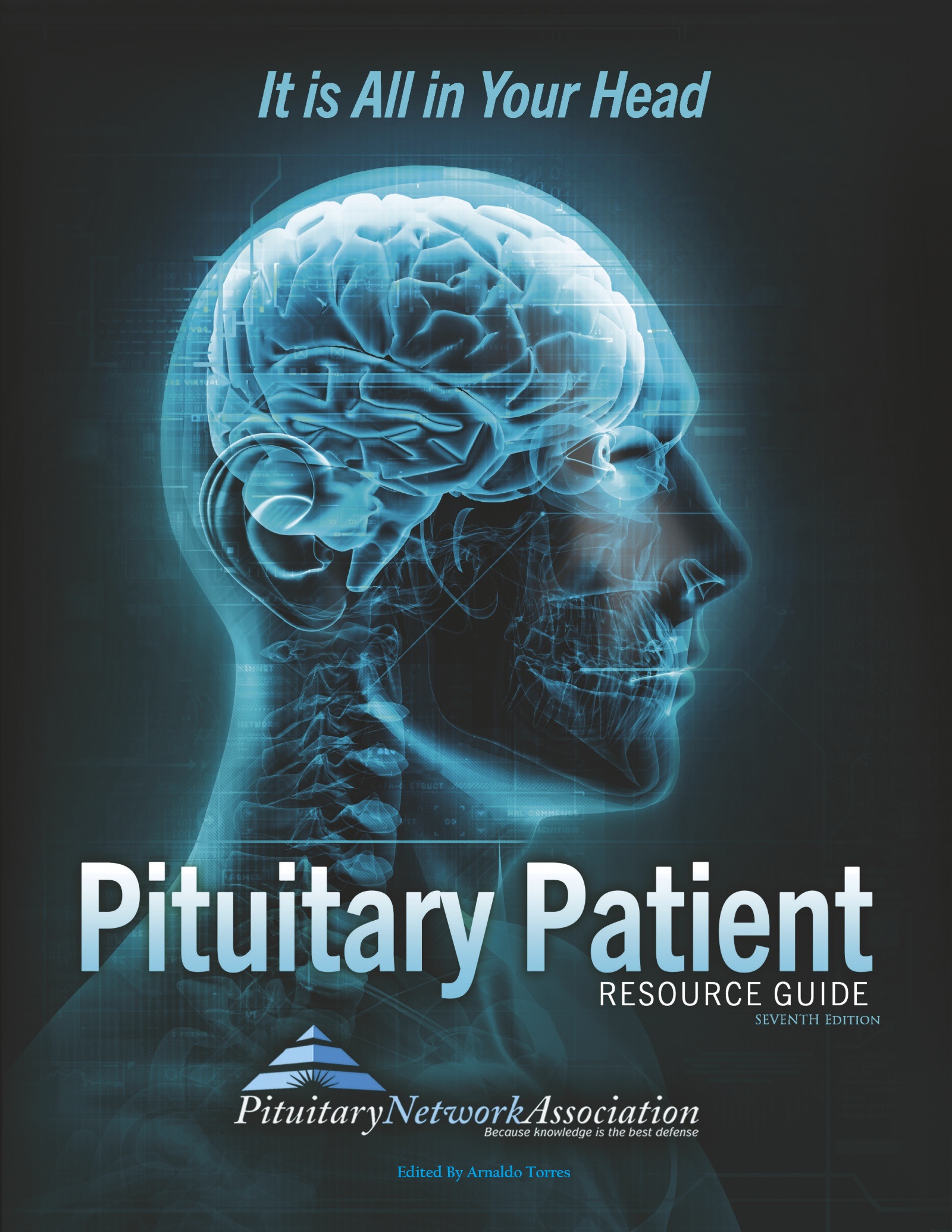
Seventh Edition - Now Available!
The Pituitary Patient Resource Guide Seventh Edition is now available! Be one of the first to have the most up-to-date information.
The Pituitary Patient Resource Guide a one of a kind publication intended as an invaluable source of information not only for patients but also their families, physicians, and all health care providers.
It contains information on symptoms, proper testing, how to get a diagnosis, and the treatment options that are available. It also includes Pituitary Network Association’s patient resource listings for expert medical care.
Latest News
News Articles October 2026
Pituitary story: teen battles craniopharyngioma A story in the Yakima Herald spotlights the case of a high school student from Washington State who underwent surgery for a craniopharyngioma near his...
PNA Highlights October 2026
“When health is absent, wisdom cannot reveal itself, art cannot become manifest, strength cannot be exerted, wealth is useless, and reason is powerless.” – HerophilesPNA Spotlight: Dr. Nelson...
Research Articles October 2026
Pituitary Tumors Emerging insights into the pathophysiology of pituitary tumour microenvironment. Fuentes-Fayos AC, Gil-Duque I, De la Rosa-Herencia AS, Sarmento-Cabral A, Flores-Martínez Á, Cano...