







Nominate for Gentle Giant Award!
Do you have a pituitary HCP who has made a profound difference in your care or your life? A real “Gentle Giant”. We want to hear about them! Help us recognize the amazing professionals who go above and beyond by nominating your favorite doctor. Your story can help shine a light on the heroes in our community and inspire others on their journey. Submit your nomination today—we can’t wait to celebrate them with you!
Don’t Miss Our Exciting Upcoming Events!
Discover Leading Professionals and Specialized Services in Healthcare
Search
Recent Webinar
Patient’s Corner
Introducing Patient’s Corner, a place for you, the patient, to share your stories. If you have a story you would like to share please contact us below.
Patient story:
Panhypopit patient in a bind as Humatrope is discontinued
Tara Cummins, a pituitary patient in Klamath Falls, Oregon, says she’s at her wits’ end because the medication she depends on, Humatrope, is being discontinued by pharmaceutical giant Eli Lilly. Humatrope is Lilly’s version of somatropin, used to keep people like Cummins alive. Cummins suffers from panhypopituitarism, which developed after pituitary failure soon after a hysterectomy done in 1992 to counter painful recurring ovarian cysts. She also experienced pituitary failure.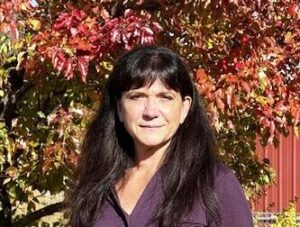
Cummins has no health insurance because she makes too much to qualify for Medicaid and cannot afford to buy insurance on the individual market. In addition, when she had insurance, it didn’t cover the medication she needed. She sued the insurance company, saying, “Policies are allowed to be changed and modified to under-cover conditions or medications or exclude treatment for certain conditions. Early on after my settlement with the insurance company (where I still maintained my policy) they changed the terms of the policy, leaving me with a choice of having insurance but not coverage (or adequate coverage) for the somatropin which left me with out-of-pocket expenses that almost no one would be able to afford. With no insurance, I could qualify for patient assistance directly through the manufacturer. The term used was being under insured; as if I had any option to be more insured.”
So, Cummins has been paying for doctor visits on her own and she relies on Eli Lilly’s patient assistance program for free access to her medication: 1 mg each night. At age 63, it’ll be a little more than a year before the retiree qualifies for Medicare. In the past, she took Pfizer’s version of the medication, Genatropin, but Pfizer discontinued its patient assistance program two years ago, and the medication costs between $5,800 and $16,000 a month if you don’t have insurance.
Cummins says she hopes to get one more shipment from Eli Lilly, which would last her about four months. She says she’s been told that her life expectancy without the medication is about two years.
Complicating matters, Novo Nordisk’s Norditropin Flexpro subcutaneous solution for injection, is on shortage as of September. On ashp.com, the shortage is attributed “to increased demand and manufacturing delays.” The site notes that Ferring has Zomacton available; that Genentech discontinued Nutropin AQ Nuspin presentations in December 2024; that Pfizer has Genotropin available (but discontinued the patient assistance program); and that Sandoz has Omnitrope available.
In addition, Cummins had her thyroid removed and relies on natural thyroid medication. However, the FDA announced in August that it wants animal-derived thyroid medications off the market because they are not FDA approved and “contain many compounds that are uncharacterized for safety and effectiveness.” The FDA estimates that “1.5 million patients received prescriptions for these medications from U.S. outpatient retail pharmacies in 2024.”
PNA Spotlight: Dr. Bernard R. Bendok
This month the PNA Spotlight focuses on Bernard R. Bendok, M.D., the William J. and Charles H. Mayo Professor and Chair of Neurological Surgery at Mayo Clinic in Arizona. He was kind enough to answer a few questions from the PNA. Here are his answers, lightly edited for clarity.
Please tell us about your early life, and why you chose pituitary medicine.
I was born in Detroit, and at age five, we moved to Harper Woods, so I spent my childhood living along Lake St. Clair. From age nine to fifteen I lived in Lebanon because my parents moved us there for family and work reasons. In ninth grade during the biology lecture on pituitary disease, in that moment, I decided to be a doctor. My passion for pituitary disease really stems back to this day. I remember distinctly: I was so amazed that this little gland could be a symphony conductor of the body. I didn’t know anything about being a doctor. We have no physicians in the family. Nobody had talked to me about being a doctor. But I knew, at that moment, that I was going to be a doctor. I didn’t know I was going to be a neurosurgeon, but I knew I was going to be a doctor.
Please tell us about your medical training and your mentors.
I went to medical school and did my residency training at Northwestern. I did my fellowship at SUNY Buffalo. While in medical school I learned from a pioneer in pituitary diseases named Dr. Ivan Ciric. He was a towering figure, an amazing surgeon, and an incredible human being. I had the privilege of writing the review of his autobiography, called “Listen to the patient.” It’s a phenomenal book about health care and the passion and joy of being a doctor, and so I was inspired by him.
I was also inspired by my mentor, Dr. Hunt Batjer, a vascular and skull base neurosurgeon. The pituitary sits between two major blood vessels. So, I’ve been very interested in the relationship between the vessels and tumors of the head and neck. That’s really where I spent all my time. Both Dr. Ciric and Dr. Batjer were technical virtuosos of neurosurgery, who inspired me to aim for technical excellence and innovation. They both emphasized to me the importance of caring for the patient with the highest degree of integrity and empathy.
My third mentor was Dr. David McLone, a pediatric neurosurgeon. He taught me to appreciate the importance of integrating scientific inquiry into clinical practice. He was the most caring physician I have ever known. When I was on pediatrics, I was really struck by the role of the pituitary gland in child development and health. Those were all the different inspirations that came together to inspire my interest in pituitary issues, both in health and in sickness.
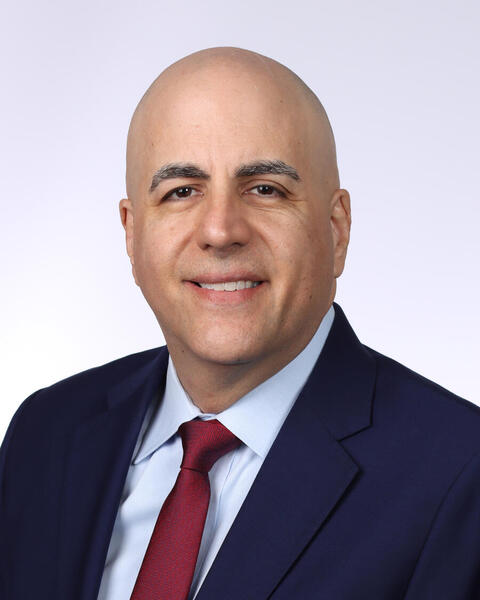
“The most important thing is to be a lifelong learner. For pituitary surgery this means you should be a lifelong student of anatomy, pituitary physiology and diseases, and a lifelong student of patients.”
PNA Gratefully Acknowleges Our Supporters






Get Involved
If you wish to donate, contact:
- P.O. Box 1958, Thousand Oaks, CA 91358
- Office: 805.499.9973
- Fax: 805.480.0633
- Email: [email protected]

Coming Events

Volunteer With Us
Pituitary Patient Toolkit
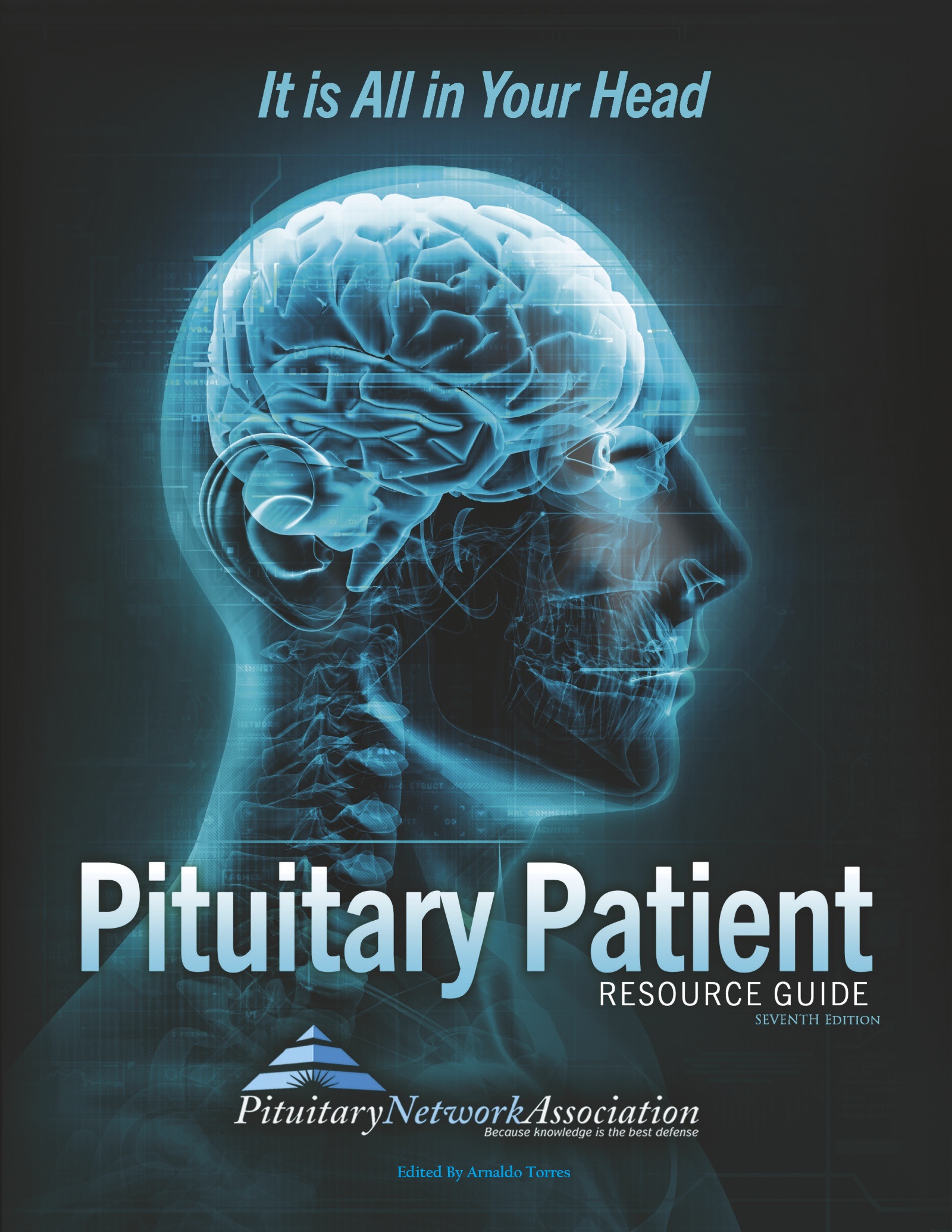
Seventh Edition - Now Available!
The Pituitary Patient Resource Guide Seventh Edition is now available! Be one of the first to have the most up-to-date information.
The Pituitary Patient Resource Guide a one of a kind publication intended as an invaluable source of information not only for patients but also their families, physicians, and all health care providers.
It contains information on symptoms, proper testing, how to get a diagnosis, and the treatment options that are available. It also includes Pituitary Network Association’s patient resource listings for expert medical care.
Latest News
What Is A Protocol?
All clinical trials are based on a set of rules called a protocol. A protocol describes the criteria for participation; the schedule of tests, procedures, medications, and dosages; and the length of...
Can A Participant Leave A Clinical Trial After It Has Begun?
Yes. Participants can leave a clinical trial at any time.
What Are The Benefits And Risks Associated With Clinical Trials?
There are both benefits and risks associated with clinical trials. By participating in a clinical trial, a person may benefit by: Helping others by contributing to medical research. Gaining access...